

Abacus education in modern learning landscape
The present age is dominated by calculators and apps. Abacus education may seem traditional at first glance in the present time. Yet it continues to grow globally because it develops something technology cannot replace. It is mental agility. It is far from being outdated. Abacus based learning has changed into a crystal system that strengthens how children think and calculate as well as focus.
It helps to look beyond the tool itself and explore how abacus learning reshapes the learning process to understand its value.
What is abacus learning really about?
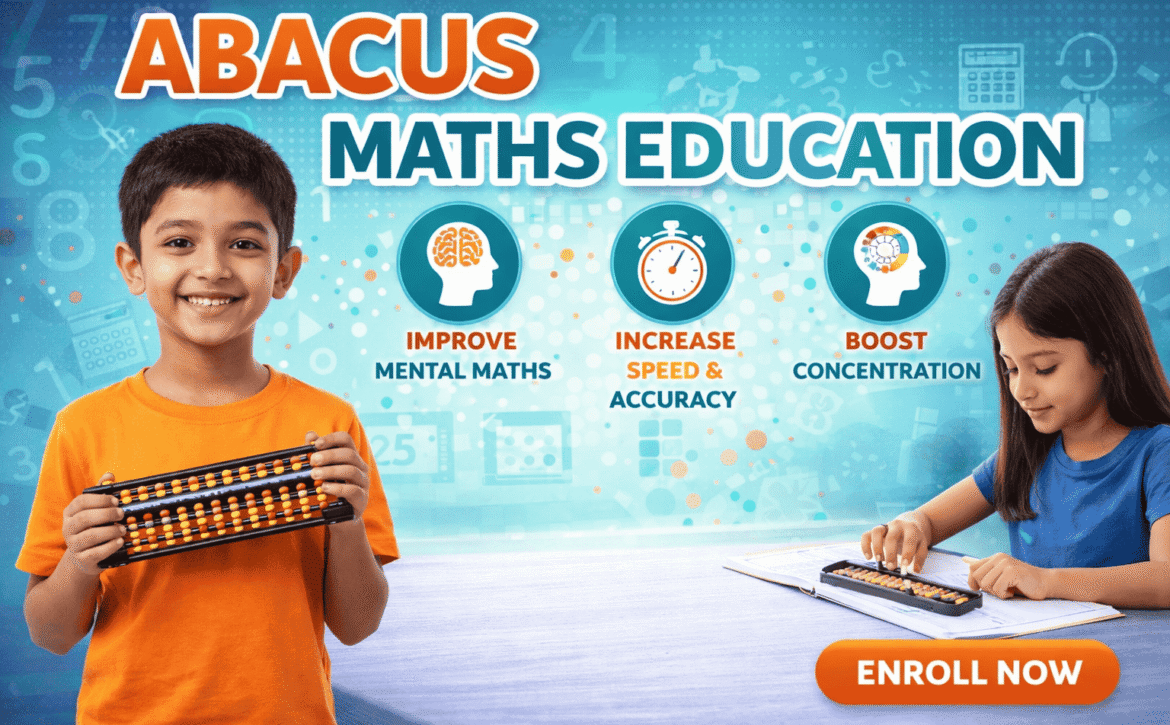
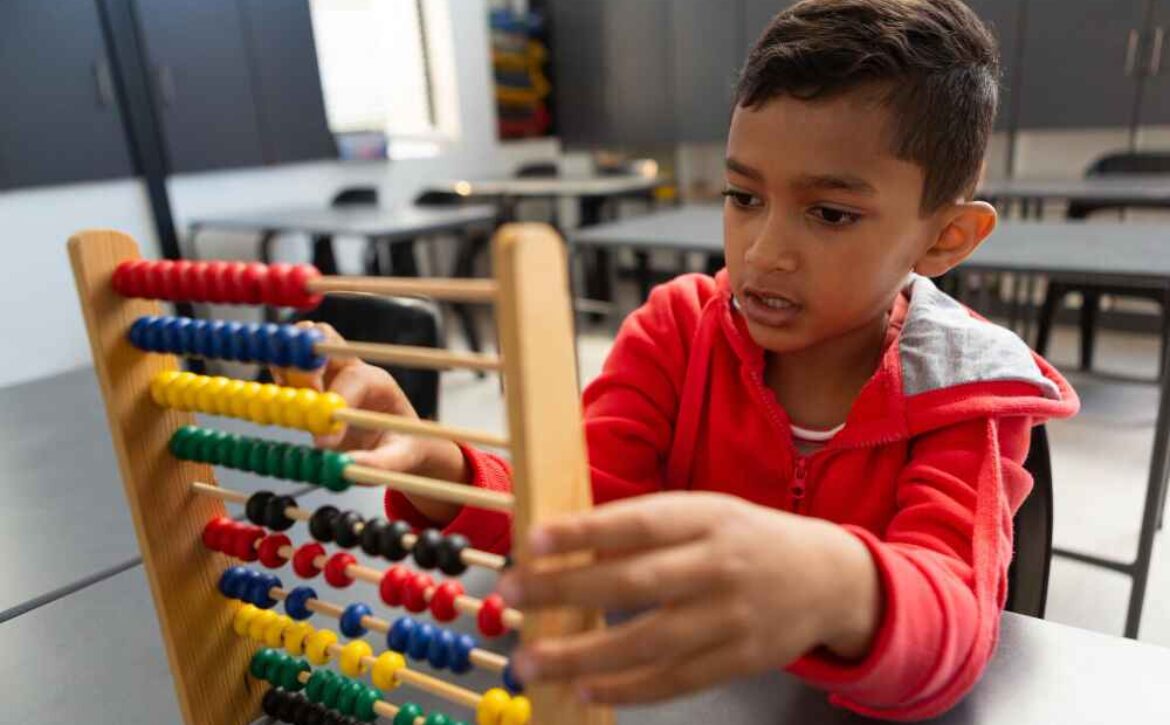
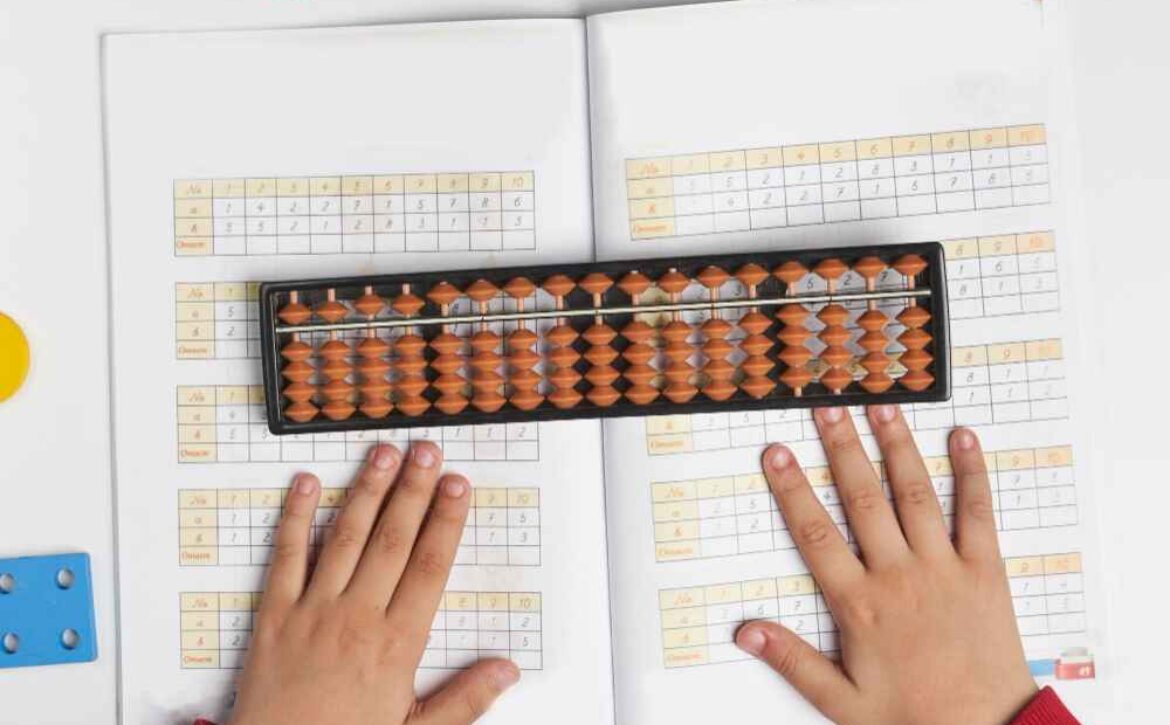
Many parents ask what is abacus learning? It is both about memorizing numbers or learning faster arithmetic tricks. Abacus learning uses a physical counting frame to teach children how numbers move and combine as well as interact.
Learners stop using the physical abacus over time and begin visualizing it mentally. The transition is where the true power of abacus maths emerges. Children calculate by imagining bead movements in their minds and strengthening memory along with concentration.
Why abacus maths trains the brain differently
Abacus math engages both sides of the brain. Logical processing handles calculations. Visualization activates creative thinking. The dual engagement improves overall cognitive development.
Children trained in abacus maths often demonstrate quicker mental calculations along with improved attention spans and stronger confidence when working with numbers. The skills extend beyond maths into everyday problem solving and decision making.
The learning journey inside abacus classes
Structured abacus classes follow a gradual progression. Beginners start with physical bead movement and learning place value as well as number relationships. Accuracy comes before speed.
Classes focus on mental fluctuation and memory drills with timed exercises as students advance. The goal is no pressure but precision. Well designed abacus classes encourage consistency and discipline along with gradual mastery rather than rote learning.
Abacus education and early cognitive development
Early childhood is a crucial period for brain development. Abacus education supports this phase by strengthening neural connections related to memory and logic along with visual processing.
Children exposed to abacus learning at a young age often show improved listening skills and faster comprehension. The method is interactive. Thus, it keeps learners engaged without relying on screens or passive instructions.
How abacus learning builds confidence in children
Coincidence is an overlooked outcome of abacus education. Children gain resistance in their abilities when they solve problems mentally and accurately.
The conference transfers to classroom performance and exams. Students become more willing to attempt challenging problems instead of avoiding them. Abacus learning teaches children that mistakes are part of progression and not failure.
Abacus maths versus traditional maths teaching
Traditional maths education often prioritizes results over understanding. Abacus maths focuses on clarity and number sense in contrast.
Students understand why answers work rather than memorizing formulas by visualizing calculations. The deeper understanding helps learners adapt to more advanced mathematical concepts later in school.
The role of practice in abacus education
Consistency is central to success in abacus learning. Short and regular practice sessions are more effective than long and irregular ones.
Well structured abacus classes emphasize routine practice without burnout. The disciplined approach helps children develop study habits that benefit all academic areas.
How abacus learning supports academic performance
Abacus education focuses on mental arithmetic. Its benefits extend across subjects. It improves concentration which helps with ready comprehension. Enhanced memory supports language learning.
Teachers often notice that students with abacus training complete tasks faster and remain focused for longer periods. The advantages contribute to overall academic improvement.
Abacus Education in a digital age
Because abacus education develops internal skills rather than relying on external aids, it is still relevant despite the rise of digital learning tools.
Abacus learning enables kids to think on their own in a world where instant answers are readily available. As students advance both intellectually and professionally, the value of this talent increases.
Selecting the Best Abacus Courses
Abacus classes differ from one another. Rather than just emphasising speed, quality programs prioritise student involvement, trained teachers, and controlled growth.
Parents should seek out abacus learning situations that strike a balance between encouragement and difficulty. Children can enjoy learning and develop strong cognitive skills in a supportive environment.
Final words
By fortifying mental underpinnings, abacus learning enhances technology rather than competing with it. Children are prepared for scholastic success and lifetime problem solving through abacus learning, which combines visualization, logic, and discipline.
Semas distinguishes itself as a reputable brand in abacus education. They do so by offering structured abacus learning programs that help kids develop strong mental math skills and confidence. Semas supports long term academic success by helping young learners develop sharper thinking skills through engaging abacus lessons and professional assistance.